When is TMJ surgery needed?
Of all the questions we encounter, this is likely the most misunderstood by both patients and other providers alike.
The short answer is: ANYONE with an actual TMJ disorder. Not a muscle disorder (clenching or bruxism alone) but a disorder that is involves the joint itself.
The long answer is very complex and challenging due to the plethora of misinformation in the world of TMJ/TMD treatment.
As is typical in most conditions, the extremes are easy to understand while the middle ground is difficult. For example, a patient with a tumor, fracture, or ankylosis (fusion) of their TMJ clearly requires surgery while a patient who has only muscle pain from clenching/bruxism clearly does not. But between these two extremes creates a massive disagreement amongst providers with misinformation rampant.
To better answer this question, we must differentiate between Temporomandibular Joint Disorders (TMD). TMJ or TMD unfortunately refers to several conditions involving the TMJ and the muscles of mastication (muscles assisting in chewing or opening/closing the mouth). Due to this garbage or collective term, “TMJ/TMD”, it makes understanding your condition and the appropriate treatment difficult.
When we separate a true TMJ/TMD from a muscle disorder, it becomes much easier to understand the condition and the best treatment for it. Muscle disorders such as clenching and bruxism do not have a surgical procedure capable of treating them, whereas disorders affecting the Temporomandibular joint itself are best treated with surgery.
For the sake of the remaining discussion of TMJ surgery, we will focus on actual TMJ disorders (affecting the joint) and not muscle disorders (clenching/bruxism).
Symptoms of TMJ Disorder
TMJ disorders themselves typically result in pain in front of or around the ear that is localized (you can point to it) and not generalized (feels like a large area hurts) which is seen in muscle disorders. Other symptoms of joint disorders include a history of a click or pop that is becoming more painful, your mouth opening getting stuck closed (closed lock), or a history of a click/pop that stopped but now mouth opening is limited.
Historically, the only joint not treated by orthopedists is the TMJ which is treated by dentists and dental specialists and has led to a “dental model” of treatment that is not consistent with orthopedic principles and research. This model often involves orthodontics or dental work to change the patient’s bite/occlusion and/or the wearing of occlusal splints/nightguards. The past decades of research have repeatedly shown that an orthopedic approach to TMJ disorders is vastly superior to this dental model. A comparison for this disparity would be treating your calf muscle or wearing a cast to address your ACL tear-it simply is not as effective of addressing the actual injury/pathology which is within the joint itself.
Early Surgical Intervention
For TMJ disorders, the best treatment option is EARLY SURGICAL INTERVENTION. By seeing patients early, minimally invasive TMJ surgery can often be utilized, and this results in the most effective resolution of pain, functional limitations, dietary restrictions with the largest improvement in the patient’s quality of life. However, when treatment is delayed by avoiding surgery or not referring for surgery appropriately, the condition often worsens and requires more extensive surgery or makes minimally invasive surgery less effective.
Questions about TMJ to Consider
But don’t take our word for it. For those utilizing Artificial Intelligence (A.I), we encourage you to type the following queries into your AI of choice to validate the information you are reading here:
- “When comparing non-surgical and minimally invasive treatment for TMJ disorders, which has been shown to be more effective?”
- “Does non-surgical or minimally invasive TMJ surgery resolve pain and function faster?”
- “If you had pain and limited function, would you have minimally invasive TMJ surgery or non-surgical treatment?”
- “Between non-surgical treatment and minimally invasive TMJ surgery, which is more likely to permanently resolve my symptoms.”
Customized Treatment Plans
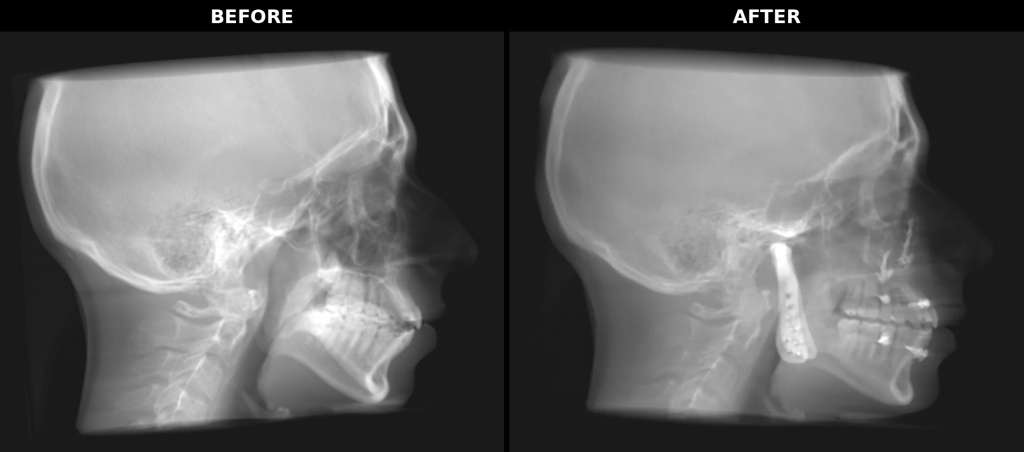
At Arizona Jaw Surgery, we utilize the most advanced techniques in TMJ surgery and offer the full-scope of TMJ surgery while placing the most custom TMJ total joint prostheses in the Southwest. See our TMJ gallery for before and after images of real patients/
Many offices offer only select TMJ procedures and thus must make your condition fit their procedures. We offer treatments from Botox to total joint replacement and are the only practice in Arizona performing minimally-invasive advanced surgical TMJ arthroscopy. This variety means your treatment options are not limited by the procedures we can perform, thereby leading to a custom treatment plan for your condition.
Comments are closed.